
ADHD & Autistic Executive Coaching
What I Stand For

Most neurodivergent professionals at senior level have spent years performing despite their environment rather than because of it. And the evidence suggests this is far more common at the top than most organisations realise — a recent CYPHER Learning report found that self-identification as neurodivergent increases the further up the career ladder you look, reaching 45% of C-level executives and 55% of business owners.
This work is about developing that talent properly — through executive coaching grounded in real leadership experience and a genuine understanding of how ADHD and autistic professionals think, work, and lead.
My Vision for Neurodivergent Leadership

A professional world where neurodivergent leaders are understood, developed, and properly utilised — not accommodated as an afterthought, but recognised as some of the most capable people in their organisations.
The vision is straightforward: executive coaching that develops neurodivergent leaders at the level where capability and seniority actually align — rather than waiting for organisations to catch up.
My Mission as an Executive Coach

To provide executive coaching that helps senior leaders with ADHD and autism build professional practice on foundations that actually fit their neurology — and to develop the organisations they work in to get the best from that talent.
Whether you're navigating a late ADHD diagnosis, a late autism diagnosis, or the professional identity shift that follows either — the work is the same: building leadership practice on foundations that actually fit.
This isn't awareness work or identity affirmation. It's about translating genuine cognitive capability into sustainable leadership impact. That distinction matters — and it shapes everything about how I work.
My Coaching Philosophy
I don't treat neurodivergence as a problem to solve.
An ADHD or autistic profile — whether that's ADHD leadership, autistic executive presence, or the AuDHD combination — is, properly understood, a genuine leadership asset. One that most organisations misread and most professionals have spent years compensating for rather than working with.
The work has three dimensions:
Self-understanding Developing genuine clarity about how your brain works, what conditions you perform best in, and where your particular cognitive profile creates both capability and cost. Most professionals at senior level have significant blind spots here — not through lack of intelligence, but because nobody has ever helped them look at themselves through this lens. This is where the work begins — and where most coaching stops.
Integration Moving from compensation strategies built on masking and force of will to leadership practice built on authentic self-knowledge. This is where most coaching falls short — it addresses performance without touching the underlying operating system. It's the hardest part of the work, and the most valuable.
Sustainable impact Building the conditions for work that doesn't deplete you. Not managing your neurodivergence. Leading from it. This is leadership built around how your brain actually works — not in spite of it.
Most of my clients arrive having already done the hard work of getting the diagnosis. What they haven't had is a thinking partner who understands both what that means and what the leadership environment they're operating in actually demands.
The Business Case for Neuroinclusive Leadership
-
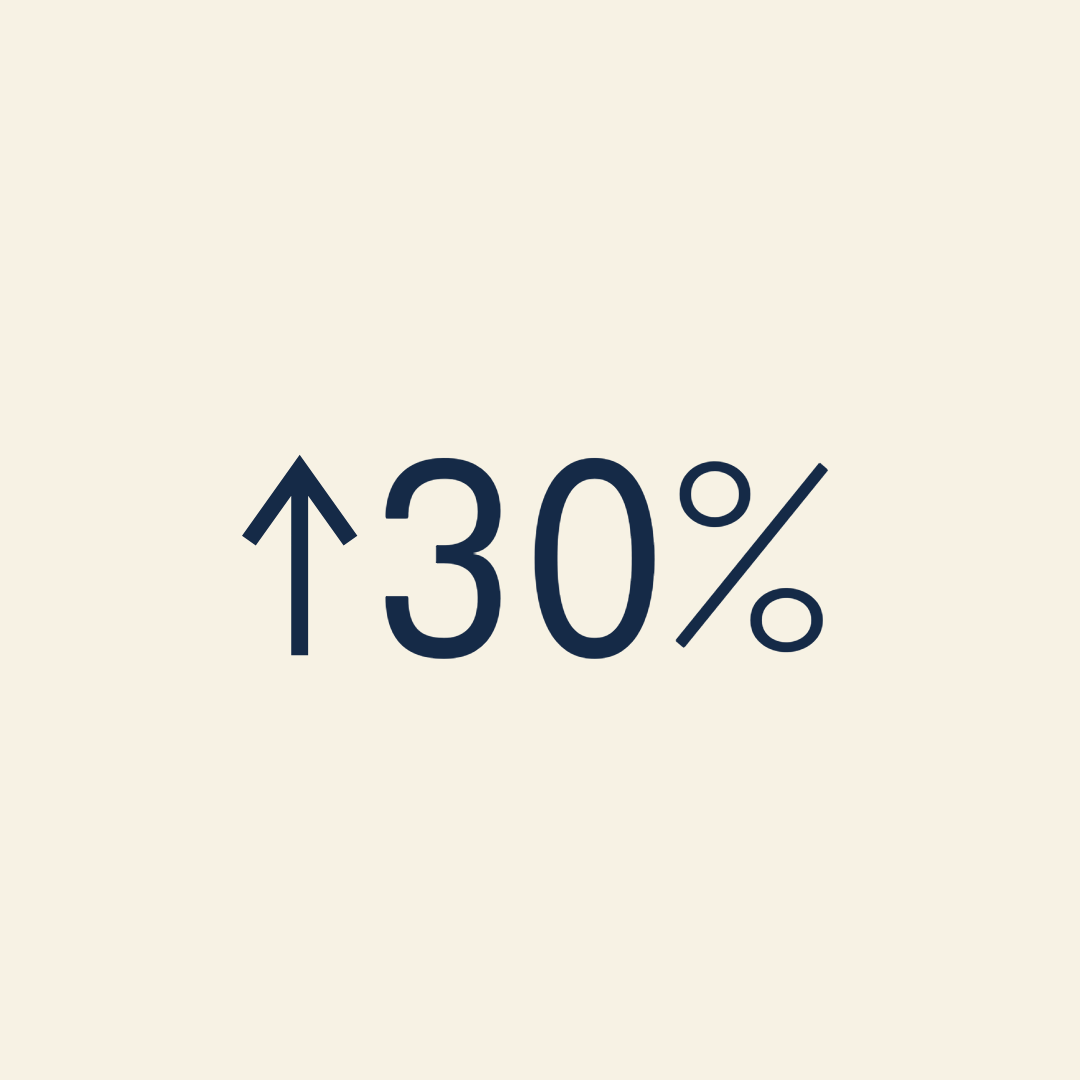
Achieve higher net income and higher economic profit margins
Neuroinclusive companies can enjoy twice the net income and a 30% higher economic profit margin.
-
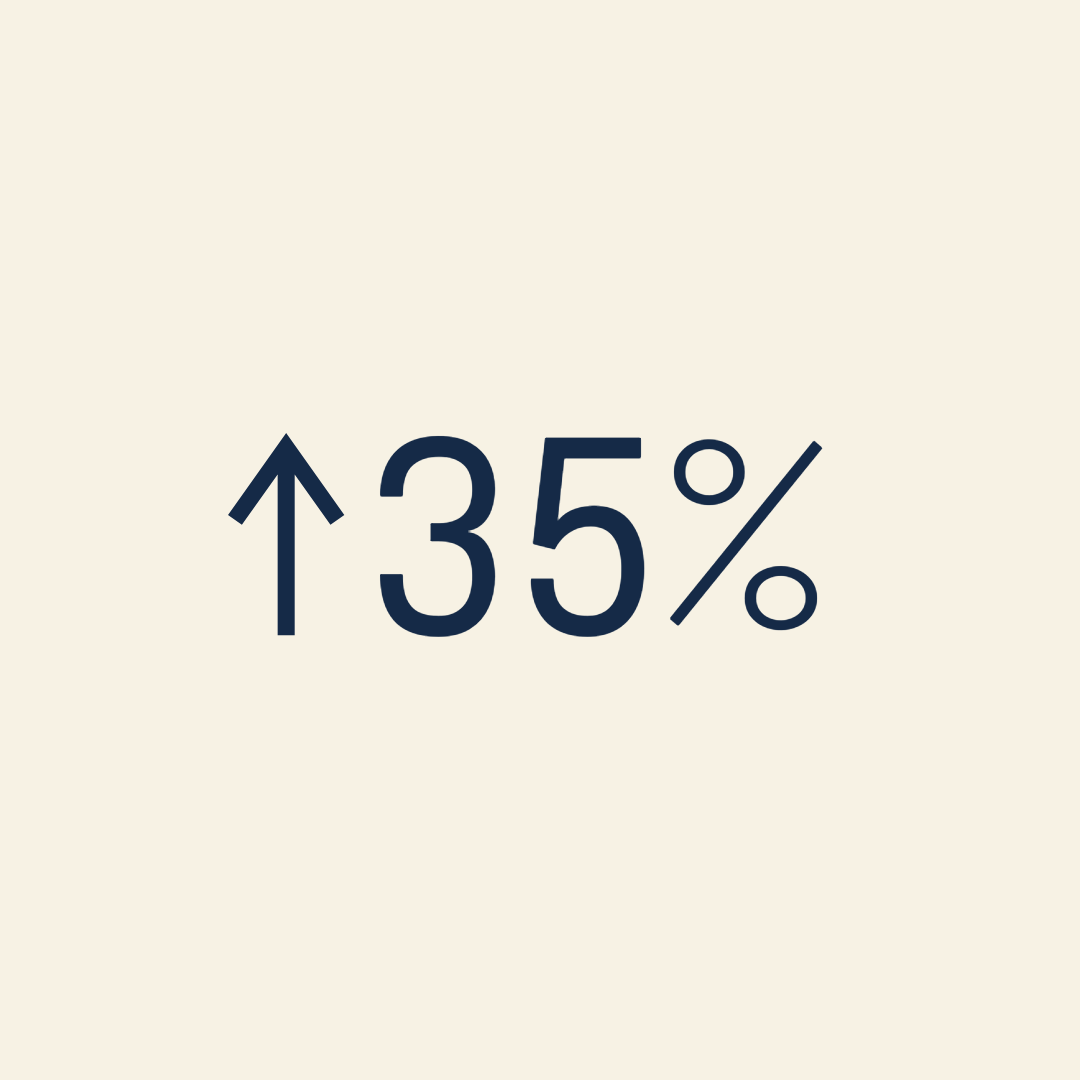
Develop enhanced market competitiveness
Neuroinclusive companies are 35% more likely to outperform their competitors, gaining a higher market share and profitability.
-
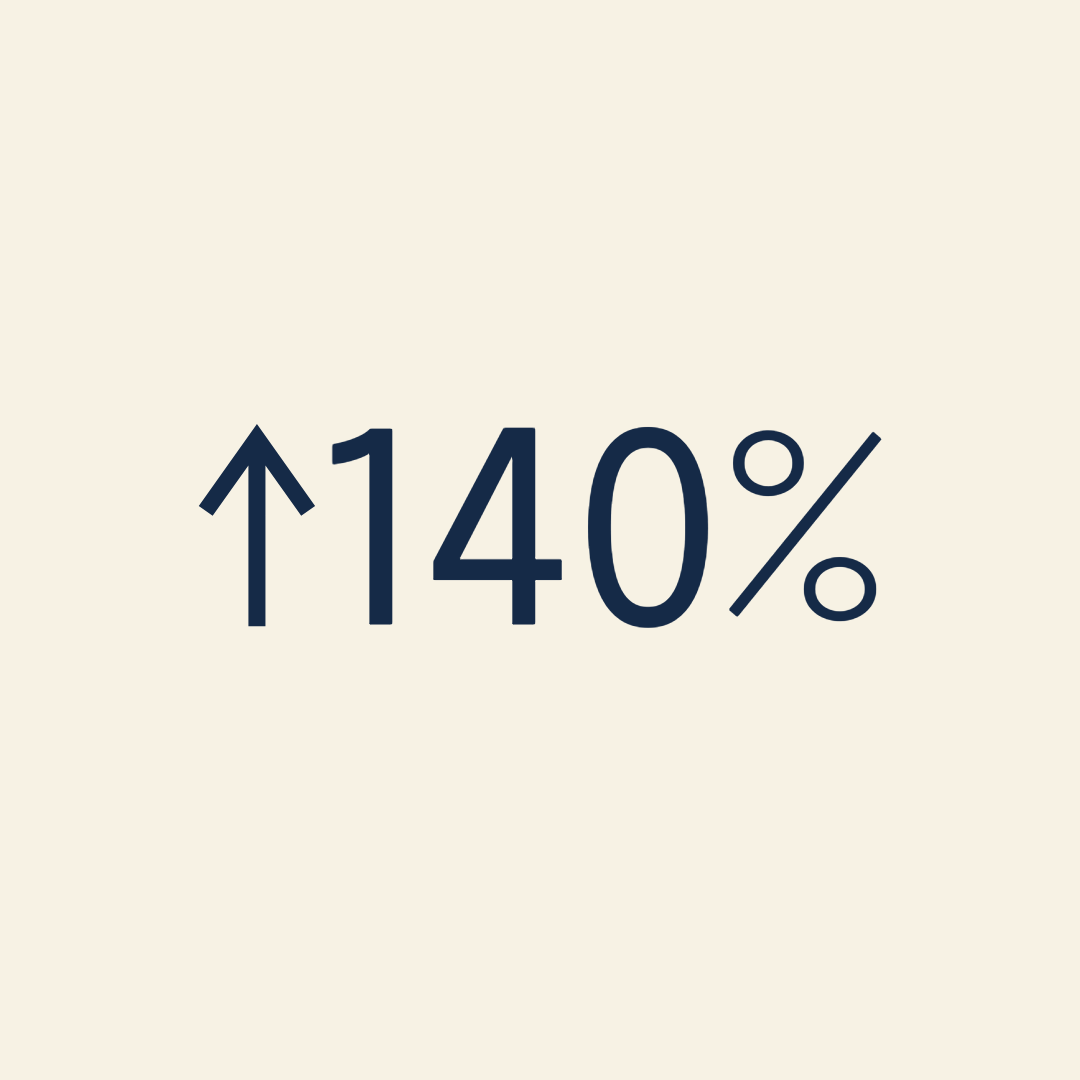
Experience increased rates of productivity
Companies have reported a 90-140% increase in productivity among employees thanks to neuroinclusive programmes, translating to significant financial gains.
-
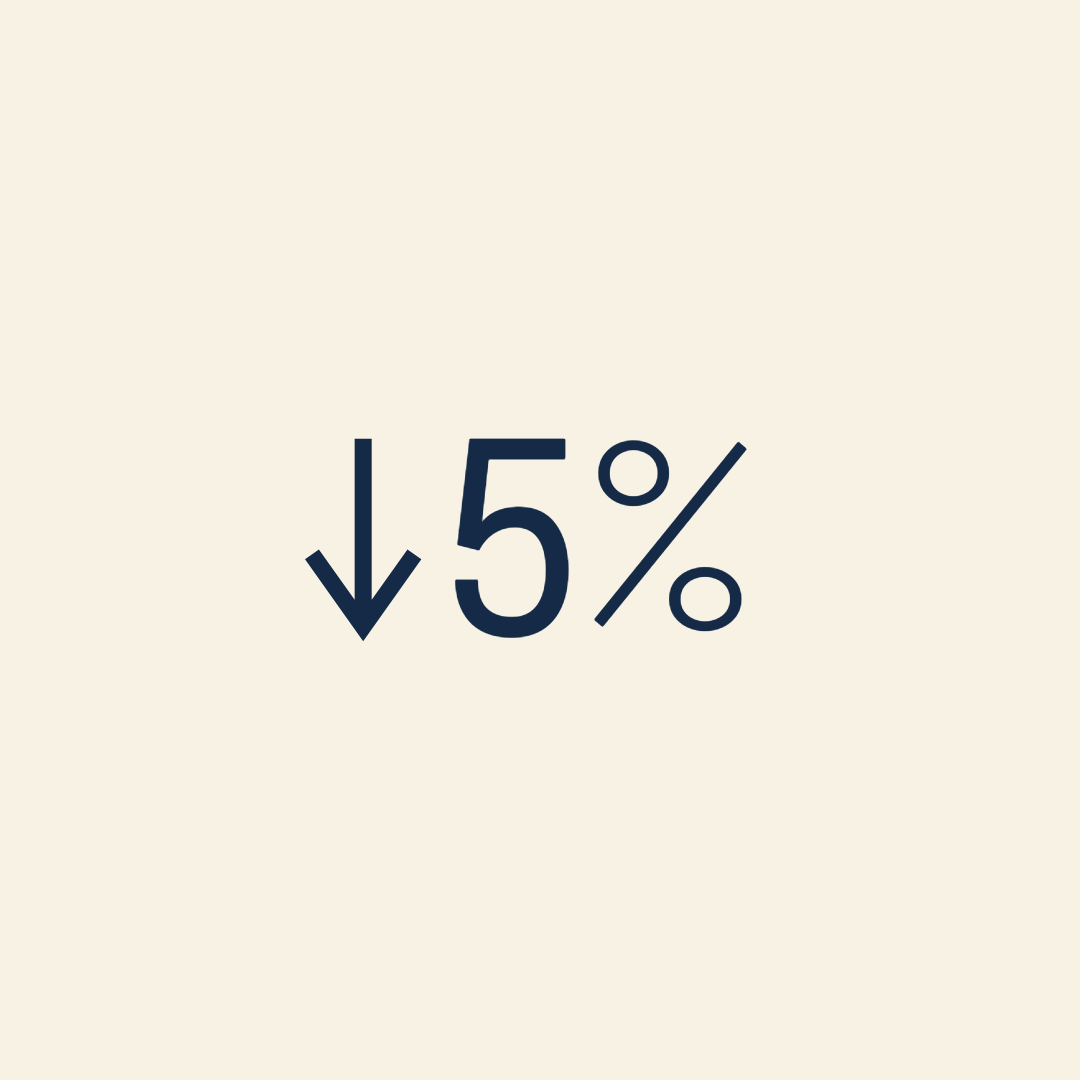
Make cost savings from reduced staff turnover
A 5% reduction in turnover rates has the potential to save millions annually in recruitment and training costs.
-
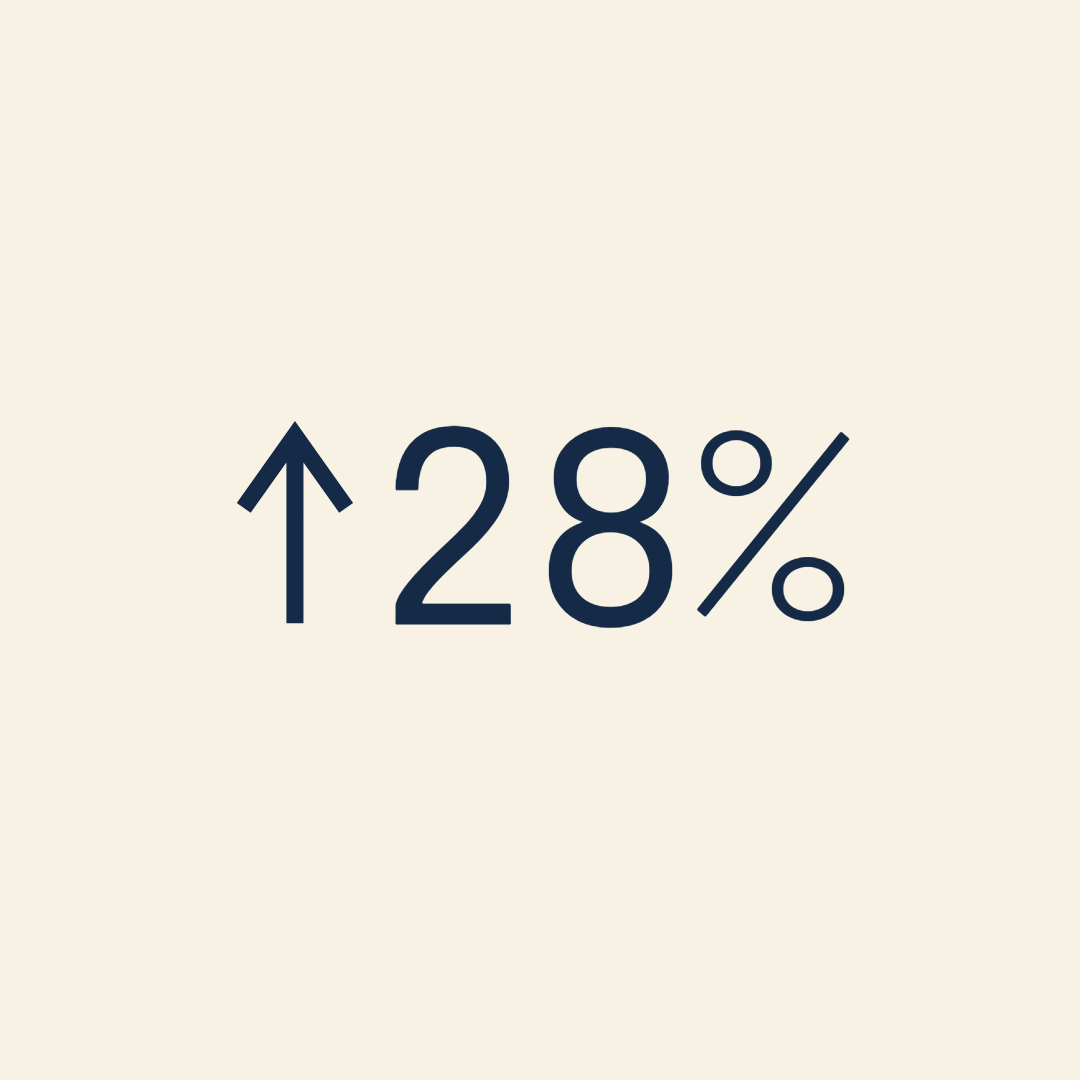
Increase revenue by employing neurodivergent staff
Organisations employing neurodivergent staff achieve on average 28% higher revenue than competitors.
-
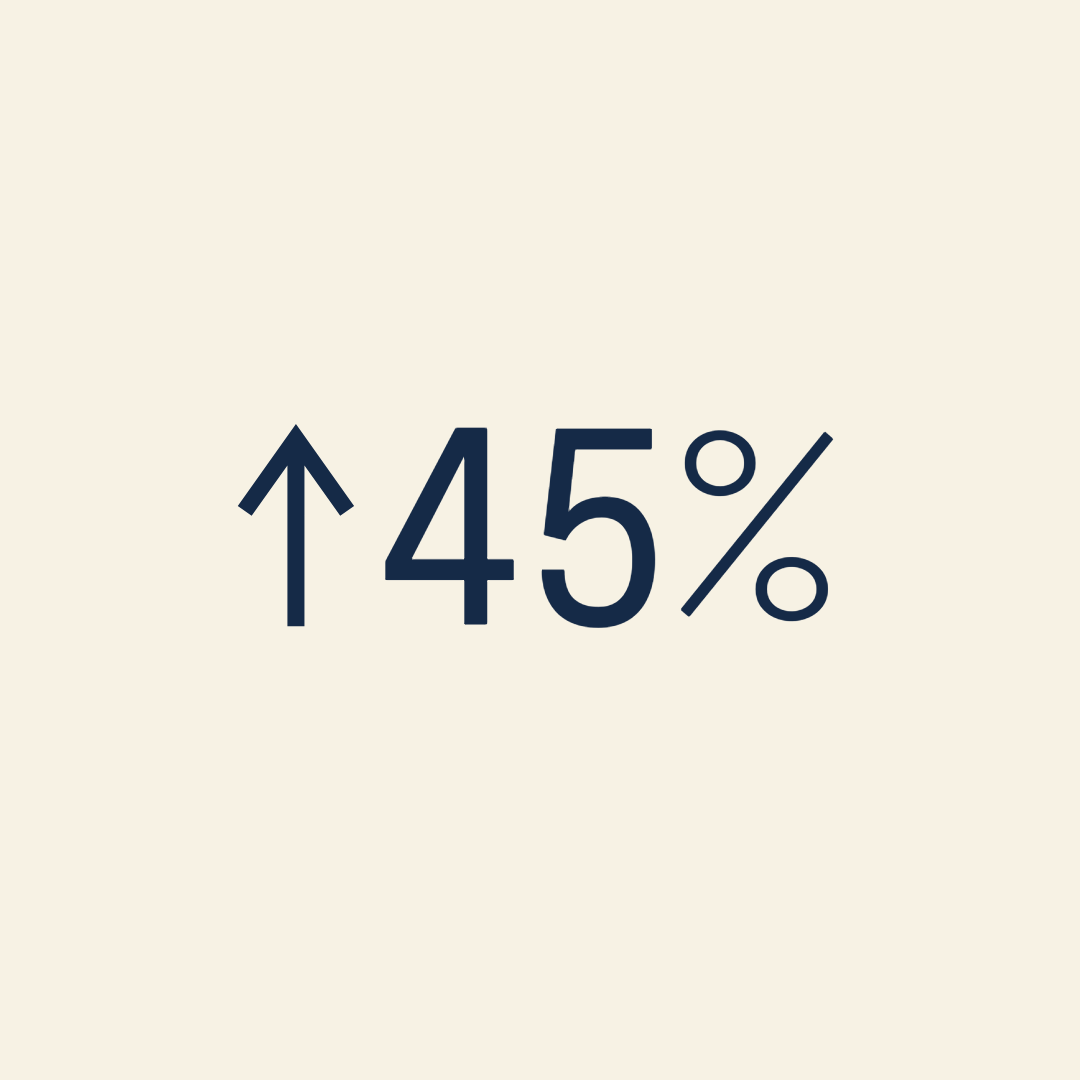
Nearly half of C-level executives self-identify as neurodivergent
45% of C-level executives and 55% of business owners self-identify as neurodivergent, resulting in a high prevalence of cognitive differences among leadership.
Research sources:
Accenture 2. Accenture 3. JPMorgan Chase 4. Deloitte 5. MDPI 6. Forbes